
The Thrill of Uncertainty
The psychology behind gambling often begins with the allure of uncertainty. Players are drawn to casino games due to the unpredictable nature of the outcomes. This uncertainty generates excitement and a rush of adrenaline, making the experience thrilling. When one bets, they engage in a complex interplay between risk and reward that can be deeply stimulating. In fact, many players search for the best casino sites, highlighting their desire for both excitement and quality gaming experiences. The anticipation of a win, coupled with the possibility of loss, creates a unique emotional landscape for players.
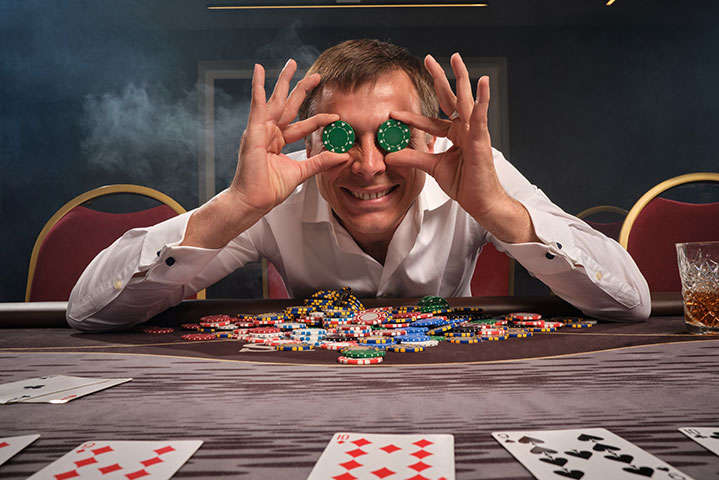
Furthermore, this thrill is not just about the potential for monetary gain. Many players enjoy the challenge of attempting to beat the odds or outsmart the game. The desire to achieve success against seemingly insurmountable challenges can be a powerful motivator, which explains why casino games remain popular among those seeking a high-energy environment.
Social Interaction and Community
Another significant aspect of the psychology of gambling is the social interaction it fosters. Casinos are often bustling environments filled with people, contributing to a vibrant atmosphere that players find attractive. Engaging with others—be it through friendly banter at a poker table or cheering for a slot machine win—can enhance the gaming experience and create a sense of community. This social dynamic extends beyond the physical space of the casino.
Online gambling platforms have emerged as social hubs as well, providing chat features and multiplayer options that allow players to connect with others. The feeling of belonging and camaraderie enhances the overall gambling experience, contributing to players’ continued engagement with casino games.
The Role of Cognitive Biases
Cognitive biases play a critical role in how players perceive casino games and their likelihood of winning. Many gamblers fall prey to the “gambler’s fallacy,” where they believe that past outcomes influence future results. For instance, if a slot machine hasn’t paid out in a while, players may assume it is “due” for a win. This belief can encourage continued play, often leading to increased gambling behaviors.
Additionally, the illusion of control is a common factor among players. Many believe they can influence the outcome of games through their decisions or strategies. This psychological phenomenon reinforces the notion that skill can lead to success in games predominantly based on chance, further driving players to participate in gambling activities.
Emotional Regulation and Escape
For some individuals, gambling serves as a means of emotional regulation or an escape from daily stressors. The immersive nature of casino games allows players to temporarily forget their worries, providing a distraction and a sense of relief. This escapism can be particularly appealing for those experiencing anxiety or depression, creating a cycle where they return to gambling for solace.
However, this reliance on gambling as a coping mechanism can have detrimental effects. While it may offer short-term relief, it can lead to long-term issues, including addiction and financial problems. Understanding this relationship between gambling and emotional well-being is crucial for both players and mental health professionals.
Discover More About Your Gambling Psychology
Exploring the psychology behind casino games reveals the complex motivations that drive players to gamble. From the thrill of uncertainty to social interactions, cognitive biases, and emotional escape, various factors influence players’ choices and behaviors. Recognizing these elements can empower individuals to make informed decisions about gambling.
If you are interested in delving deeper into your gambling psychology, consider engaging with educational resources. Many platforms offer insights into responsible gambling, helping players understand their motivations and manage their behaviors effectively.